CryptoTurks


Good morning. Today we have inflation coverage, a Coinbase acquisition, US banks offering a stablecoin of their own, and more! We've also got a new leader in our Top Sharers section at the bottom of the newsletter!
Bonus Content Coming: I'm targeting early next week the end of the month to have my notes out from Messari's Crypto Theses for 2022. I'll include a link to my notes in this newsletter, however, the full report is definitely worth a read.
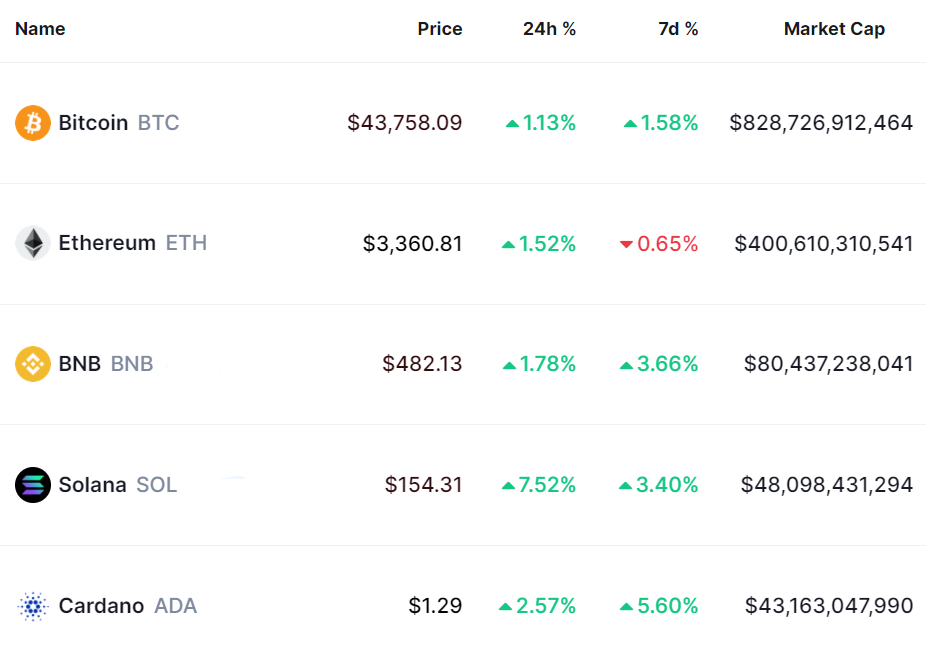
Market Update (as of 8:15am ET):
My asks from you:
- Forward to your friends, family, and anyone that would be interested (check the Top Sharers leaderboard at the bottom of this email to see where you stand!)
- If you're new, hit that pink subscribe button just below this section
- Send any and all feedback to jmaxxyoungii@gmail.com
- Add us to your Contact List so this newsletter doesn't end up in your spam folder
Top 5:
1. US Inflation Rose to Nearly Four-Decade High of 7% in December
The December consumer price index (CPI) report was released on Wednesday and the results were...not great. Inflation, as measured by the CPI, hit 7% over the last 12 months marking the highest increase in almost 40 years. Bitcoin, which many investors believe will serve as an inflationary hedge, traded up around 1.1% after the report was released. Worth watching will be any indication from the Fed that more aggressive action (e.g., interest rate hikes) will be required to fight inflation. Comments last December by Federal Reserve Chairman Powell that hinted at potential interest rates hikes were followed by a steady decline in bitcoin's price.
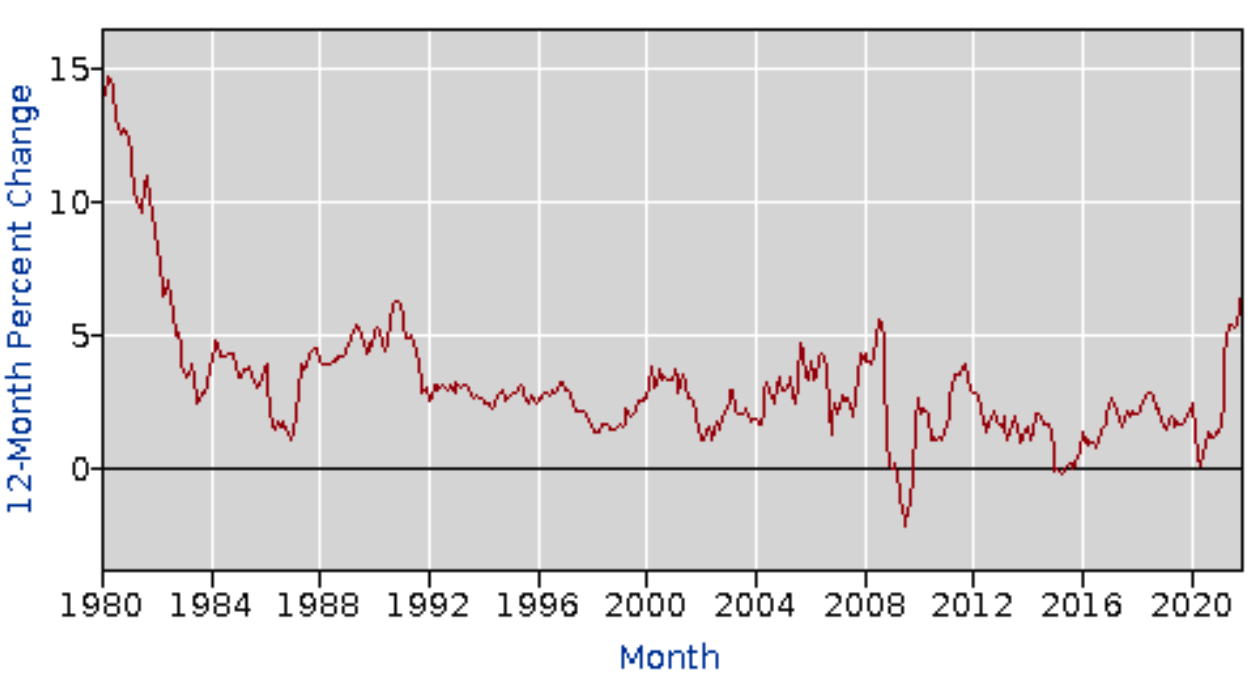
SSS (sat-sized summary): Inflation was measured at 7% over the last 12 months and many investors consider bitcoin an inflationary hedge. Actions by the Federal Reserve, such as raising interest rates, may have a bigger impact on crypto markets in the short term than inflation
2. Turks Pile Into Bitcoin and Tether to Escape Plunging Lira
The Turkish lira's cratering value has pushed citizens to adopt cryptocurrencies as a means to protect their purchasing power. Over the last quarter of 2021, crypto trading volumes in Turkey reached an average of $1.8 billion a day. The crypto of choice in Turkey is Tether, a stablecoin that pegs its value to the US Dollar, meaning that 1 tether = 1 USD. According to blockchain analysis firm, Chainalysis, more than half the trades against the lira in December involved Tether. While cryptocurrencies have been banned as a form of payment in Turkey, that hasn't stopped shops from selling bitcoin or crypto exchanges from advertising in Istanbul.
SSS: The Turkish lira's value has collapsed due to inflation and poor government policy, so citizens of the country are turning to crypto to protect their wealth and purchasing power. Tether, the USD stablecoin, is the coin of choice in the country
3. Coinbase Buys FairX to Launch Crypto Derivatives
Derivatives might soon be coming to Coinbase as the firm announced yesterday the acquisition of FairX, a CFTC-regulated derivatives exchange. The move follows similar acquisitions by competitors in the crypto exchange industry and will open the door for Coinbase to offer crypto derivative products in the future. FairX is a designated contract market (DCM), which means it is allowed to offer futures products in the US. From Coinbase:
Through this acquisition, we plan to bring regulated crypto derivatives to market, initially through FairX’s existing partner ecosystem. Over time, we plan to leverage FairX’s infrastructure to offer crypto derivatives to all Coinbase customers in the US.
SSS: Coinbase acquired FairX, a CFTC-regulated derivatives exchange, in order to offer crypto derivatives to their customers
4. US Banks Form Group to Offer USDF Stablecoin
A group of US banks are banding together to offer their own stablecoin, called USDF. The new coin will address concerns about the reserves backing non-bank issued stablecoins such as Tether. Founding members of the USDF Consortium include Synovus, New York Community Bank, FirstBank, and Sterling National Bank, with the opportunity still open for others to join. While the banks themselves are FDIC-insured, the announcement does not specify whether the reserves backing USDF would fall under FDIC coverage. According to the CoinDesk report:
USDF will operate on the Provenance blockchain and will be redeemable 1:1 for cash from any of the group's members. The consortium sees the stablecoin being used for applications such as capital call financing and supply chain finance
SSS: A stablecoin backed by reserves from a group of US banks is being launched to provide members of the consortium with an alternative to non-bank issued stablecoins (e.g., Tether). The move legitimizes use cases in banking for stablecoins and is another step into crypto for traditional financial players
5. TransUnion Brings Credit Data Checks to Crypto Lending
If you're looking for a better rate on your crypto loan or don't want to pledge quite so much collateral, you may be in luck. TransUnion, one of the three major consumer credit reporting firms in the US, is now letting consumers provide personal credit details to blockchain companies. To execute this new service, TransUnion has partnered with SpringLabs, who also offers a digital passport with anti-money-laundering and know-your-customer verifications. Credit checks and identify verifications are certainly not the hottest topics in crypto, but they're important steps to get regulated institutions involved in decentralized finance (DeFi).
SSS: TransUnion is now offering credit checks for blockchain companies. They have partnered with SpringLabs, a firm that also conducts identify verification - a critical process to consider if banks and other regulated entities are to move further into DeFi
Top Sharers of the Crypto Top 5:
1. Donna Y. - Nashville, TN
2. Jake Y. - Greenville, SC
3. Cameron S. - New York, NY
Disclaimer: The information contained in this newsletter shall not be understood or construed as financial advice. I am not an attorney, accountant or financial advisor, nor am I holding myself out to be, and the information provided is not a substitute for financial advice from a professional who is aware of the facts and circumstances of your individual situation.